BALANCE SHEET BUDGETING
See what the budget means for the company’s balance sheet
An income statement budget does not tell the whole story. Changes in sales, inventory, investments, payment terms and financing also affect assets, liabilities, equity and liquidity.
With PLANNORS, the balance sheet budget can be connected to the budget and forecast, enabling Finance to see the financial implications of changed assumptions—and work with the balance sheet as an active part of planning rather than a subsequent calculation.

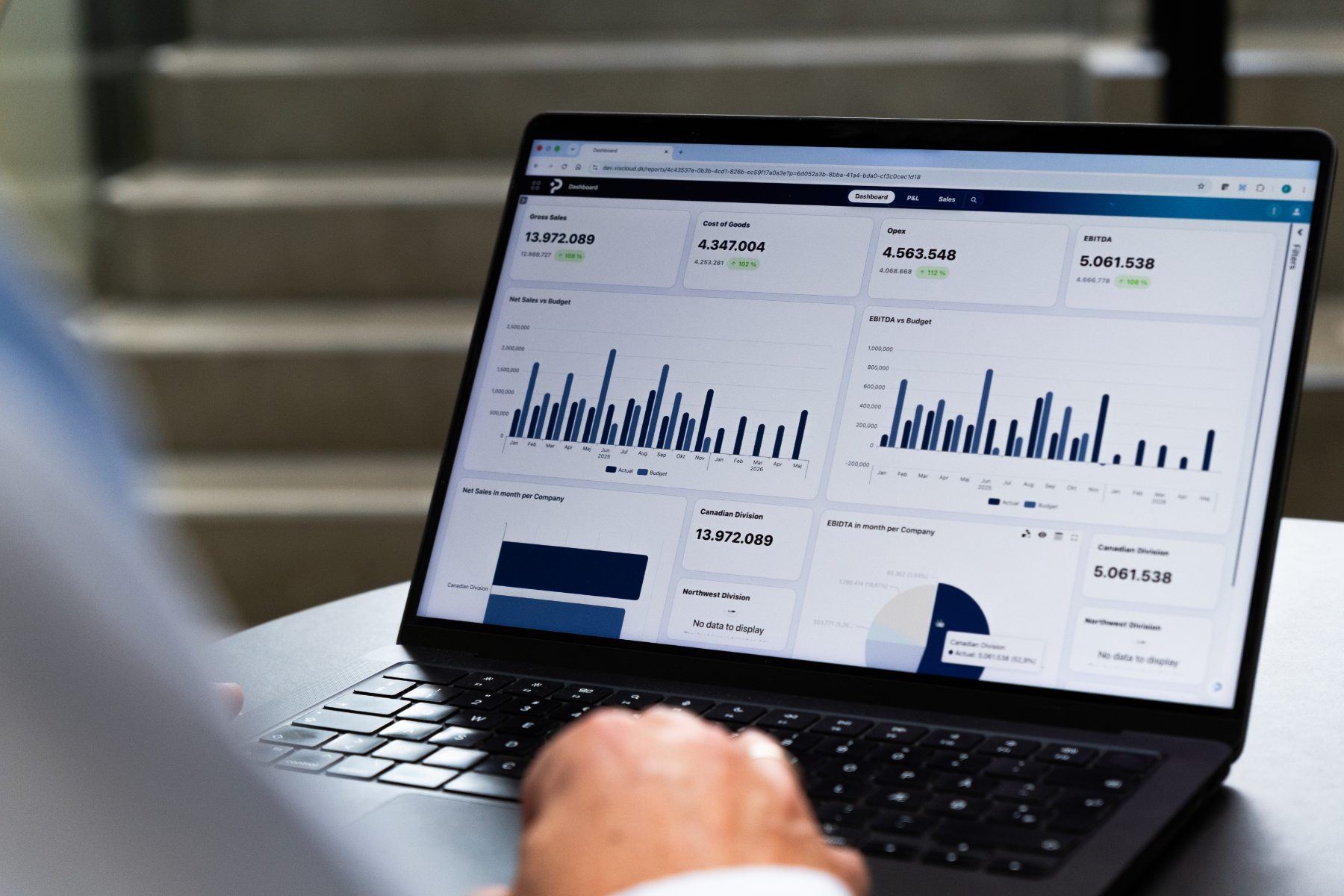
The result looks good. But what happens to the balance sheet?
Sales growth can increase receivables. More inventory ties up capital. Investments affect assets and depreciation, while changes to payment terms and financing affect both the balance sheet and liquidity.
PLANNORS makes it possible to work with these interdependencies in the budget model, so Finance can see how changes in assumptions may affect the company’s financial position.
WHEN THE BALANCE SHEET COMES LAST
What do you still need to calculate once the income statement budget is complete?
In many companies, the income statement budget is completed first. Work then begins on calculating what the plan means for, among other things, receivables, payables, inventory, investments, financing and liquidity.
When the balance sheet budget is subsequently built in separate spreadsheets and calculations, Finance must manually create the link to the assumptions already included in the budget. And when an assumption changes, the impacts must be identified and updated again.
This turns the balance sheet into an after-the-fact calculation of the plan—instead of an active part of the budgeting and forecasting work.

FROM ASSUMPTION TO BALANCE SHEET
Let the balance sheet keep up as the plan changes
Balance sheet items such as receivables, payables, inventory, investments and financing are linked to activities and assumptions elsewhere in the budget.
In PLANNORS, these interdependencies can be built into the budget model, so relevant changes are carried through to the balance sheet and liquidity. At the same time, Finance can budget directly on the balance sheet items where needed.
This provides a more coherent balance sheet budget that can be updated alongside the budget and forecast—rather than having to be recalculated separately when the plan changes.
BALANCE SHEET BUDGETING IN PLANNORS
From assets and liabilities to a complete financial overview
Budget the balance sheet as an integrated part of the financial plan, and link the development in assets, liabilities and equity with results, liquidity and forecast.

Assets
Budget fixed assets, inventories, receivables and other current assets as an integrated part of the financial plan.

Liabilities and equity
Plan debt, provisions and movements in equity, including profit for the year and other relevant financial items.

Linking P&L, balance sheet and cash flow
Include the impacts from other parts of the budget in the balance sheet, so results, balance sheet and liquidity are based on the same assumptions.

Own entries and assumptions
Budget directly on relevant balance sheet accounts when development does not automatically follow from other parts of the budget.

Consolidation across companies
Bring balance sheets together across companies and create a complete picture of the group’s assets, liabilities and equity on the same data foundation.
MEET PLANNORS
Built for how finance works today
Finance must work faster, involve more people and create a stronger basis for decision-making—while ensuring that complex processes, data and governance are aligned.
Hear our CTO, Flemming Nielsen, explain how PLANNORS brings budgeting, forecasting, consolidation and reporting together in one cloud-native Finance & Operations Platform—and how AI is integrated directly into the platform for, among other things, insights, variances and forecasting.


Customer testimonial · DSHwood
“We have been a VIS customer for a number of years and have been very satisfied with the solution. When we saw the new PLANNORS platform, we had no doubt that we wanted to convert. In particular, the platform’s ease of use, accessibility and speed made the decision easy.”
Lars Kunz
CFO | DSHwood

EXPLORE RELATED SOLUTIONS
See the full picture around the balance sheet
The balance sheet budget consolidates impacts from several parts of the financial plan. Explore the solutions most closely connected to the balance sheet, results and liquidity.

Financial budgeting
Connect P&L, balance sheet and cash flow in one integrated budgeting flow.
Capex and investment budgeting
See how investments and depreciation affect the balance sheet and P&L.

Liquidity management
Track how the budget’s assumptions affect the company’s future liquidity.

Consolidation and Elimination
Allocations and allocation keys are handled automatically.

Payroll budget
Employees, positions and salary components in one place.

Scenario planning
See how changed assumptions affect results, balance sheet and liquidity across different scenarios.
Next step
Do you build the balance sheet budget afterwards?
Book a demo and see how PLANNORS connects results, balance sheet and liquidity in the same financial model—and how changed assumptions can be carried through the overall plan without manual bridge calculations.